Category: computer music/multimedia

  • METAMORPHS

    2025 . . . video art . . . 7 minutes

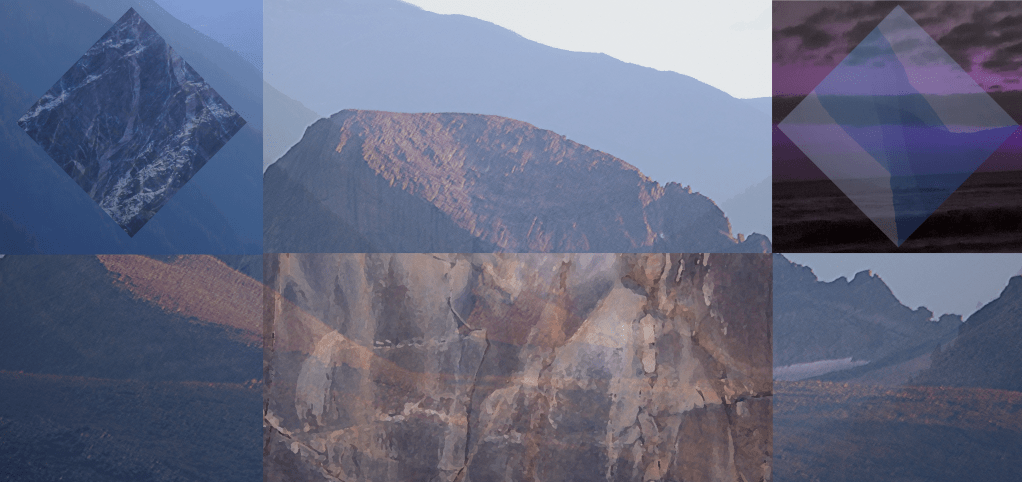
    Video art, quilting together geometric slices of colorful abstract images, kaleidoscopically morphing them into each other over a continuously evolving soundscape adapted and synthesized from the composition, RAINBOW RISING.

  • Cassiopeia

    2025 . . . piano and electronic music . . . 6:45

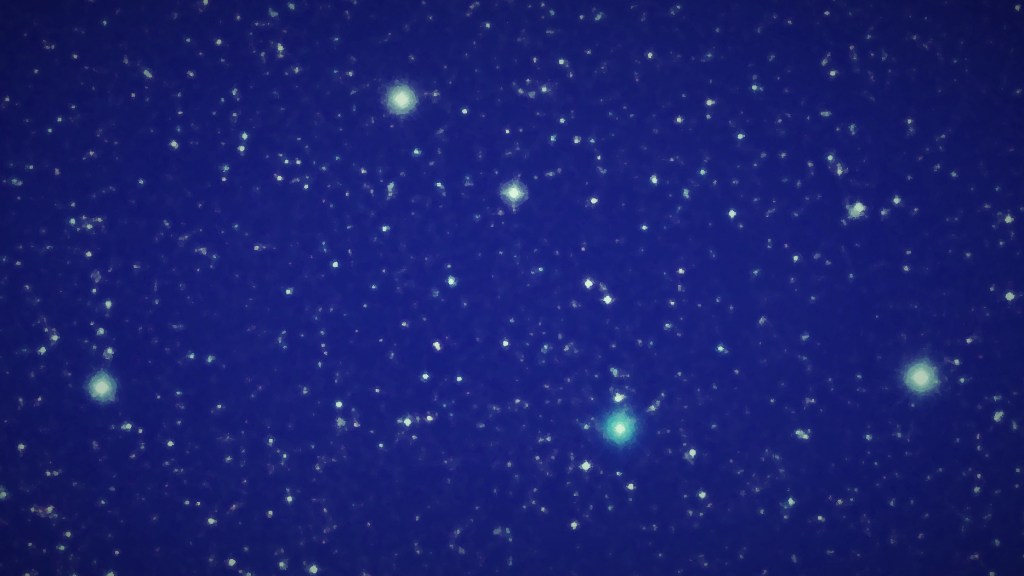
    The constellation Cassiopeia in the northern sky is named after the vain queen Cassiopeia, mother of Andromeda in Greek mythology. One of 48 constellations listed by the ancient astronomer Ptolemy, its distinctive ‘W‘ shape is formed by five bright stars. Cassiopeia contains some of the most luminous stars known, including three hypergiants. Its brightest star, Cassiopeia A (“Schedar”), is a supernova remnant and bright radio source.

    The music arose from tracing a map of its brightest points of light. The coordinates of these points on a two-dimensional graph were converted into time and pitch patterns articulating a grand sonority. The graph can be rotated, kaleidoscopically transforming the pattern into similar sonorities.

    The same treatment applied to Cassiopeia’s constellation neighbors Perseus and Cepheus builds a denser field of sounds, metaphorically echoing the brilliant star-studded dark sky as seen through a powerful telescope.

    View the music video on the YouTube podcast:

    SONUS – Meditation Music

  • The Final Angel

    2025 . . . synthesized sound montage . . . 7 minutes

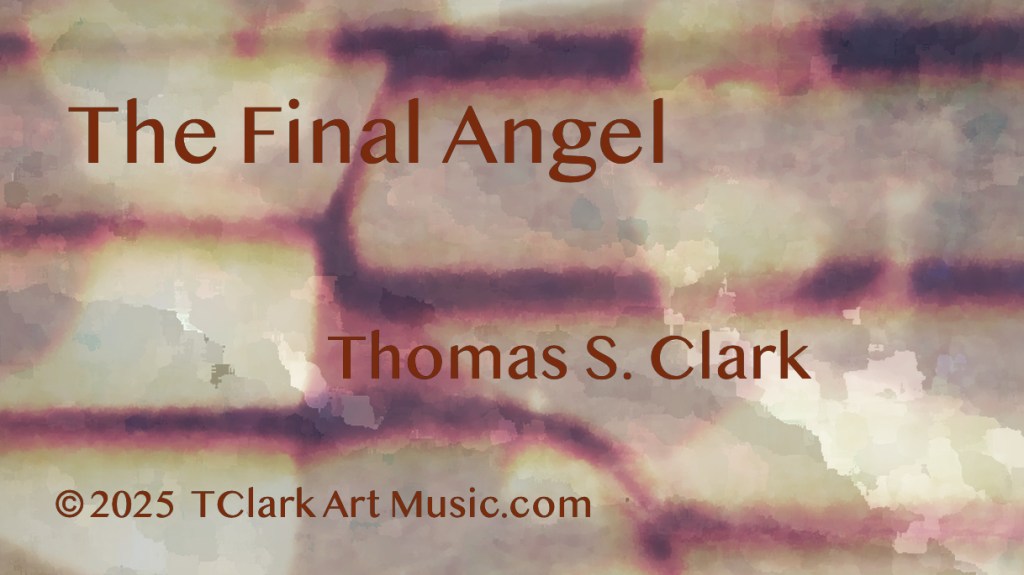
    Electronic sounds from previous ANGELS pieces (The Fourth Angel, Angels of Bright Splendor) make layered counterpoint for a dark, unearthly montage. Music from another piece, String Theory, originally imagining spinning subatomic energy, provides an ironically human voice, both frantic, engulfed in the threatening sound environment, and soaring hopefully above it.

    Global warming is already devastating the earth and all life on it. The Bible’s Revelation 16 tells of seven frightening angels:

    The fourth angel poured his bowl on the sun, and it was allowed to scorch people with fire; they were scorched by the fierce heat.”

    The other six angels and their bowls wrought plagues of painful sores, bloody seas, bloody rivers, darkness.

    Finally, the seventh angel poured out his bowl into the air, and a loud voice of doom came out of heaven, saying, ‘IT IS DONE!’ There were noises and thunderings and lightnings; a great earthquake. Every island fled away, and the mountains were not found.”

    The Final Angel

    Watch a YouTube video with abstract images:

  • Montage

    2025 . . . multimedia, computer music and digital images (6:45)

    Original music and visual images are assembled in a manner inspired by quilts, layers of fabric in small swatches pieced together. The Amish of Lancaster County Pennsylvania were known especially for quilts of contrasting colors of repeating geometric shapes.

    In MONTAGE, layering is applied to both synthesized musical textures and to digitally enhanced images from my Nikon Z50 (NIKKOR 16-50 lens). Three musical textures — flutters, swelling chords, and an ancient-style canon — are quilted onto an unchanging broad harmonic background. They overlay each other in four different combinations.

    Video here – YouTube podcast

    Listen here (audio only) –

  • LIGHTFORMS 6: Vespers

    2025 . . . musical impressions of dusk (12:00)

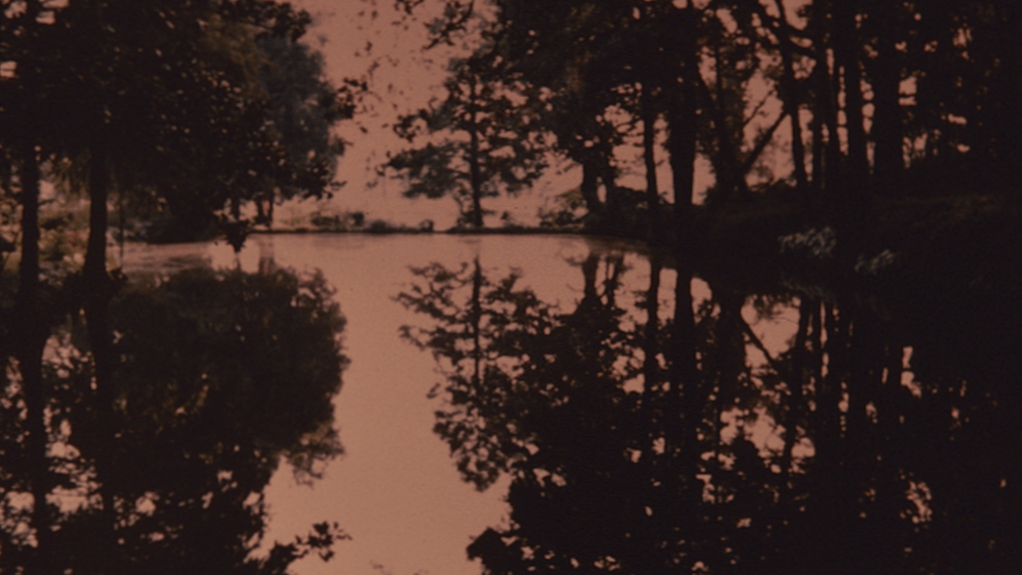
    The video version of VESPERS reveals a Haiku-like text, quoting one melliflous phrase from Robert Frost’s “Waiting Afield at Dusk” (1913).

    Streams of crimson
    streak the sky
    above tree silhouettes.
    Dusk settles
    “in the antiphony of afterglow.”
    A new night
    consumes the shadows.

    View the video on YouTube in

    LIGHTFORMS – Radiant Music podcast

  • DARK ENERGY

    2025 . . . computer music (7:00)

    Measuring supernovae, cosmologist Vera Rubin hypothesized that 80% of what’s out there in the universe is invisible or otherwise undetectable, mysterious matter and energy of undiscovered nature. Imagined in sound and color, dark-energy music is amorphous in form and time flow. Canonic lines float and interweave, building an evolving fabric of complex, ethereal sonorities.

  • Lightforms 5: SPECTRAL LIGHT

    2025 — digital sound painting (11:00)

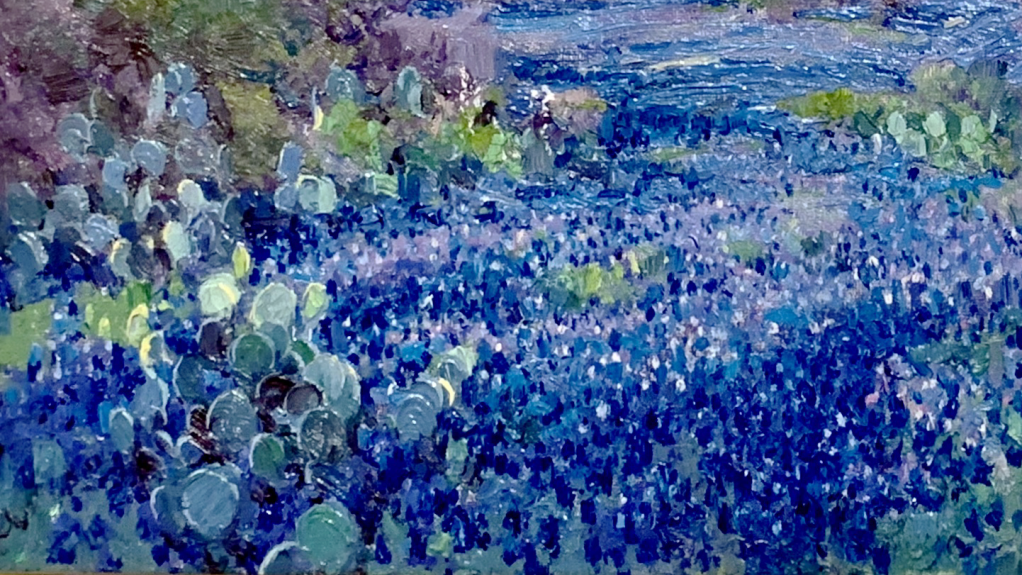
    Revisiting my 1988 improvisation sketch for the New Music Performance Lab at University of North Texas became a prequel to a recent composition. FARBEN (2025), variations on the first movement of Webern’s Symphony, isolates instrumental colors as “prickly-pear” points of sound separated in time-and-pitch space.

    Julian Onderdonk, Blue Bonnets and Cactus in the Rain (1914)

    The recomposed 1988 music beginning SPECTRAL LIGHT takes another approach to sound color, layering canonic textures of thicker sonority in a gentle Impressionistic blur, like the brush-blended blur of a Monet painting.

    Claude Monet,Waterloo Bridge, Sunlight Effect (1903)

    Timbres emerge, echo, and fade in a floating, slow-moving distant landscape of color.

    Lightforms 5: SPECTRAL LIGHTFARBEN

  • LIGHTFORMS 4: Celestial Harmony

    2025 — serene computer music (6:00)

    Sonic exploration of cosmic harmony in a quiet, almost timeless star-gazing mood.

    The LIGHTFORMS series includes

    1. Constellations” (1992)
    2. Star Spectra” (1993)
    3. Ancient Images” (1994)

  • Crystallography

    2024 . . . Abstract video and digital sound

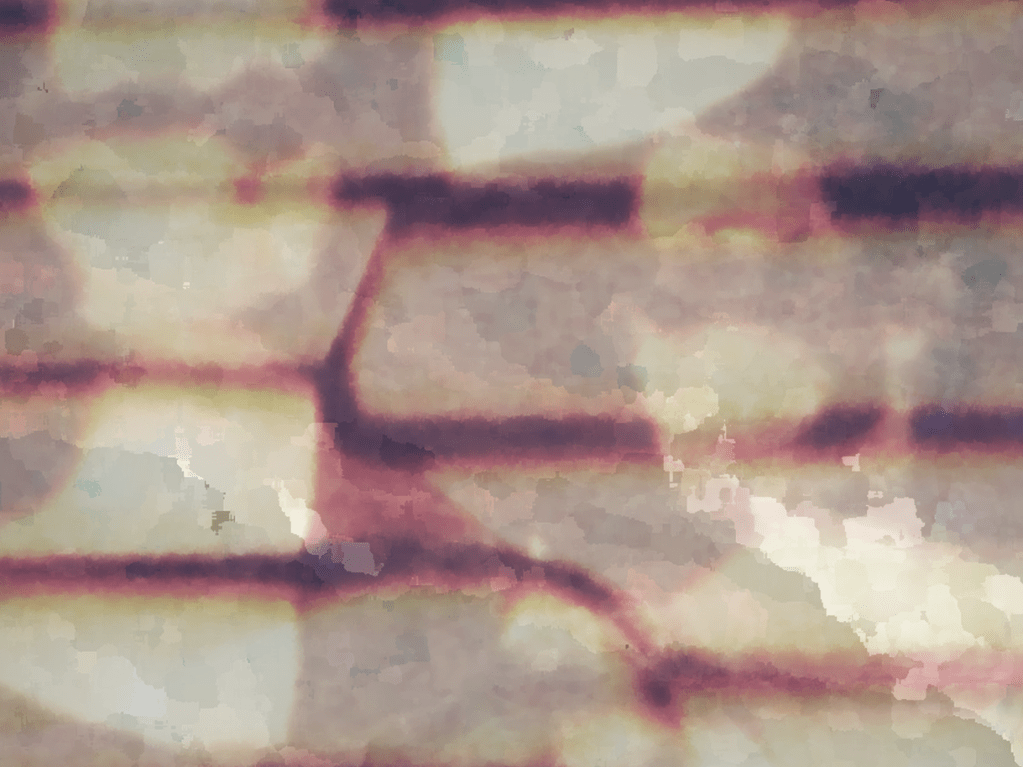
    This is the first time I began a multimedia piece with the visual element as primary design concept rather than the music, with visuals joining after. The visual concept, as suggested by the title, is an exploration of patterns in nature featuring complex masses and threads of color. They resemble busy Jackson Pollack action paintings revealing isomorphic patterns. The title evokes the abstract patterning of molecular crystal growth.

    The synthesized “soundtrack” is music adapted from my 2022 work, STONEHENGE for solo classical guitar:

  • Hawking’s Time

    2023 . . . orchestra . . . 8 minutes

    Stephen Hawking, the great theoretical physicist and cosmologist, is famous for solving in 1974 the mind-boggling mathematics of black holes and what became known as their Hawking Radiation. He also wrote a fascinating book, A Brief History of Time. Now, after Hawking’s death, his last collaborator, Thomas Hertog, has published On the Origins of Time explaining Hawking’s theory of how Time itself began at the Hot Big Bang birth of the universe. The idea, in grossly simplified geometry, is that Space and Time were united as one primordial sphere that dramatically split apart at the Big Bang’s initial hyperinflation into expanding Space and progressing Time. Before that moment, there was no time, no before.

    The musical challenge: how to express utter timelessness before the explosion; and how to build a sound space that sits still then explodes. You’ll hear an initial sound space of just one pitch, G, which at first quivers in color but without perceivable rhythm. While standing still, the sound space expands by octaves and eventually explodes with a fuller spectrum of chromatic pitch color.