1993, Borik Press (Raleigh, NC) . . . computer music . . . duration: 7:30
Three excerpts:

2013 . . . . computer music, optional solo treble instrument . . . . duration: 7 minutes
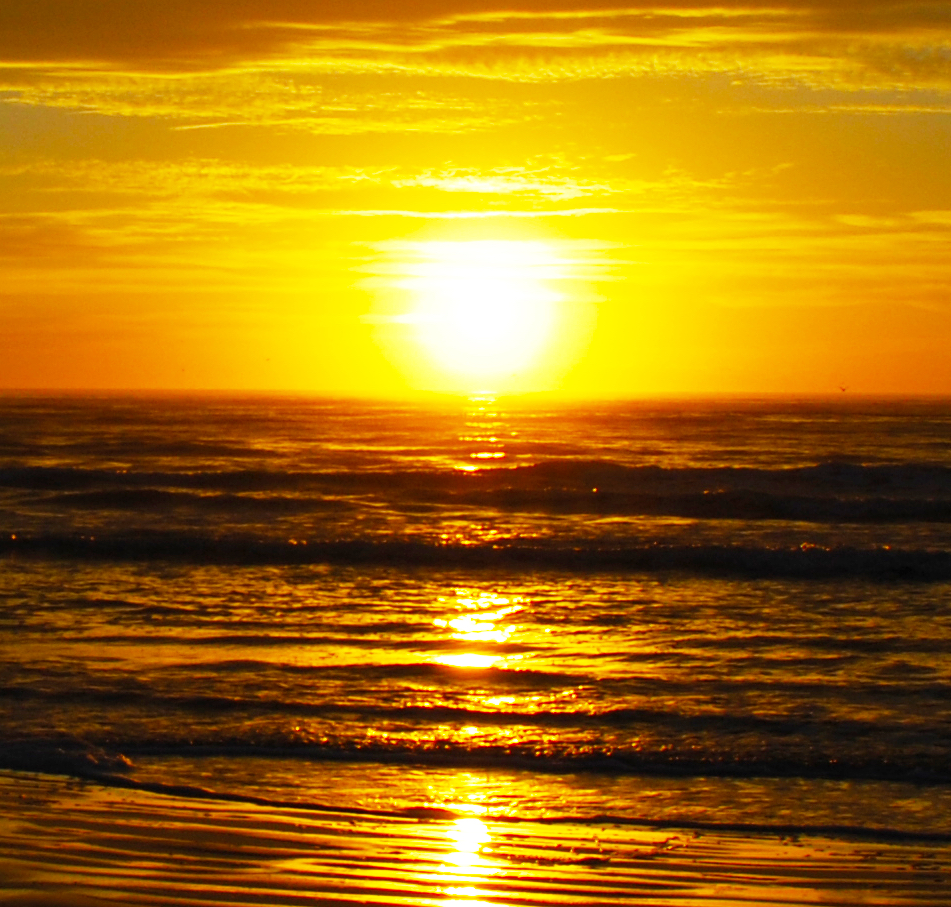
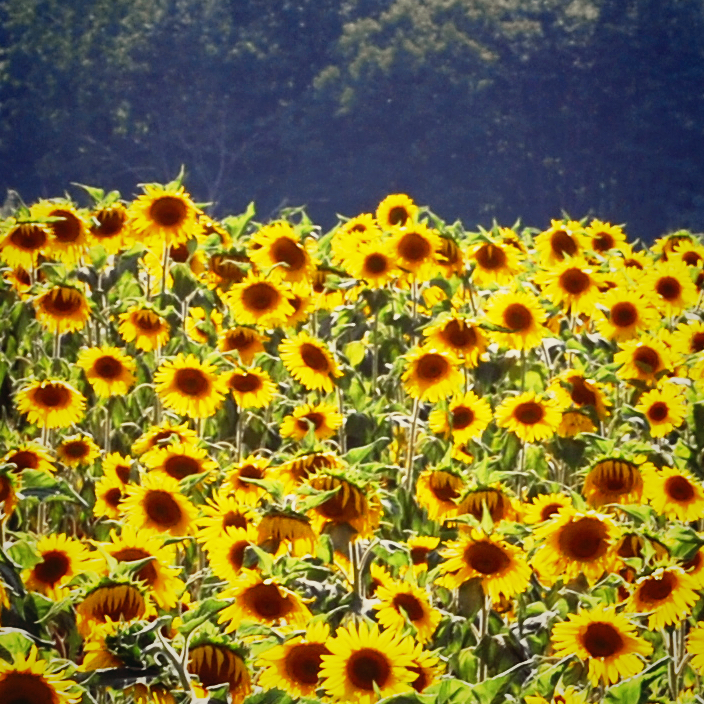
In Zuni origin mythology, according to Wikipedia, thunder sounded, and all The People climbed from darkness, emerging into the daylight world. Seeing the Sun (Awonawilona) and not used to such intense light, they cried. Where their tears fell, sunflowers sprang from the earth.
Angels of Bright Splendor is the second in a series of pieces about angels that began with The Fourth Angel, computer music also with optional instruments, portraying an image from the Biblical book, Revelation. The seven angels in chapter 16 inflict suffering upon humanity: “The fourth angel poured out his bowl on the sun, and the sun was given power to scorch people with fire.”
2021 . . . . digital sound sculpture . . . . 16 minutes
Abridged 9-minute version:
Back in the 1970s and ’80s, I explored images suggested by nocturnal titles (Night Songs, Dark Haven, Somniloquy) and landscape titles (Animated Landscape, Dreamscape, Icescape). Rather than depicting events in narrative form, Nightscape builds a quiet nocturnal soundscape of gentle shadows, silhouettes, and points of light, inviting simple observational or meditative listening.
2021 . . . . sound sculpture . . . . duration: 7:30
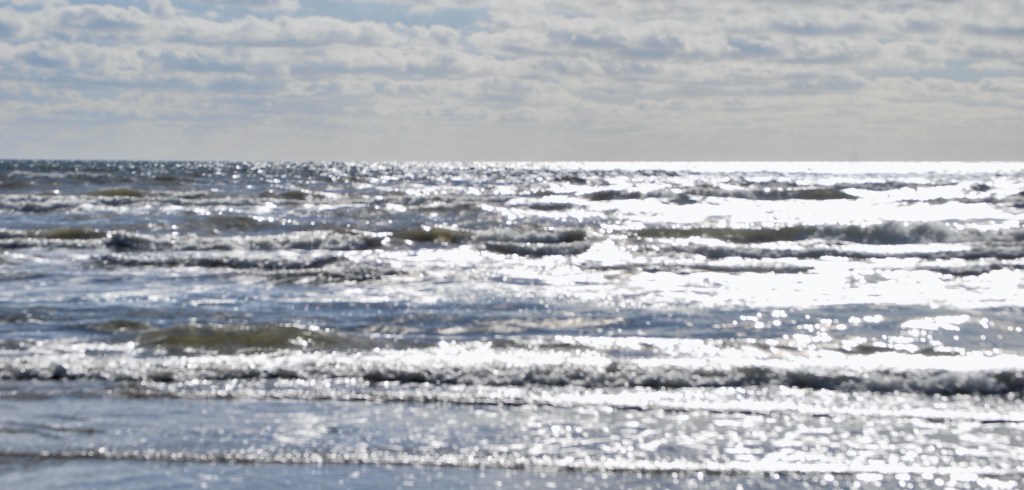
I have often gazed at beautiful bodies of water, especially Lake Michigan and, more recently, the river Vltava in Prague. This sonic sketch combines musical metaphors for several features common to these majestic waters: waves and currents; sun sparkling on the surface; deep hues of the colder water below; twinkling stars above.
Longfellow’s famous poem, The Song of Hiawatha, though it is about Lake Superior, in the first two stanzas vividly verbalizes some of these images:
“By the shining Big-Sea-Water”
“Bright above him shone the heavens, Level spread the lake before him”
“Sparkling, flashing in the sunshine”
“Motionless beneath the water.”
2020 . . . synthetic sound sculpture . . . duration: 8 minutes
We all enjoy the mysterious splendor of moonrise, large and deeply-hued in the eastern evening sky. This sound sculpture creates a sonic metaphor for that visual phenomenon, but portraying instead the rising of Jupiter, the largest object in the solar system other than the sun itself. It only looks much, much smaller to us than the moon because it is so much farther away.
One of my favorite Mozart symphonies is Symphony No. 41 in C Major, K.551. His longest and last symphony, it is nicknamed “Jupiter” — fitting that his lengthiest and greatest symphony is named for the largest planet, a great gas giant. A vivid musical motive begins and generates the majestic final movement. I use it as the musical subject of this sound sculpture, relentlessly canonic in deployment. At some moments, as many as 8 contrapuntal soundings overlap each other in a cloud-like texture.

Notice that my rhythmic setting of the motive is designed irregularly, so that the two lines seldom move at the same time in what I would call a contrapuntal accent. This creates the overall floating quality of the contrapuntal rhythmic texture. One refreshing feature of a sound sculpture is this freedom from the metric march of time. The music does not progress, but instead creates a sonic cloud to be experienced by relaxed absorption and contemplation.
2019 digitally synthesized sound sculpture duration: 8 minutes
Carte du Ciel was an ambitious second phase of an international star-mapping project initiated in 1887 by Paris Observatory director Amédée Mouchez. A new photographic process revolutionizing the gathering of telescope images inspired the first phase, the Astrographic Catalogue of a dense, whole-sky array of star positions. Carte du Ciel, never completed after 70 years, used the Catalogue as a reference system for a complex survey of the vast field of even fainter images.
In the music, ghostly wisps of sound are punctuated by brighter bursts, clustered in a natural, not-quite randomly dispersed texture.

computer music 2016 duration: 4:38 San Marcos, Texas
Live performance February 6, 2018, at Texas State University Performing Arts Center:
Texas State cello students Boris Chalakov, Joshua Adams, Terri Boutte, Simon Reid, Anna Trevino, Gabriel Vazquez
computer music 2016 duration: 6:30 San Marcos, Texas
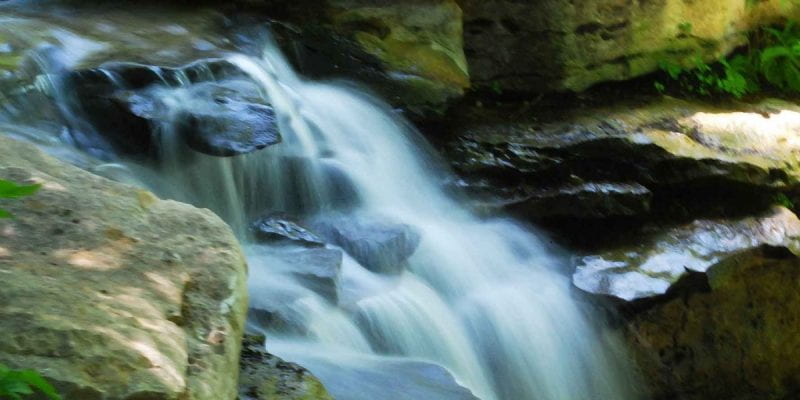
generated from recordings of North Carolina waterfalls
electronic music total duration: 12 minutes 1976 rev. 2017 Ann Arbor, MI and San Marcos, TX
I. Dark Energy
II. Black Hole
III. Gravitation
IV. Luminescence

 Thomas Clark - composer / digital artist