Category: Uncategorized

  • Dancing Water

    2024 . . . kaleidoscopic ostinati (22 minutes)

    I have reveled in composing what I call multi-phase ostinato music ever since my first exposure as a performer in the 1970s to the grandfather of the genre, Terry Riley’s famous In C (1964). The style (commonly categorized and misnamed as minimalist music) involves small melodic repeated-pattern ostinato chains overlapping with each other canonically as they weave a rich, pulsating rhythmic and harmonic fabric out of simple threads. Dancing Water is a retrospective medley of my works in this style, from fresh 2024 writing all the way back to my first ostinato piece, Effulgence (1984).

    The pieces flow together in one continuous listening (or dancing!) stream.
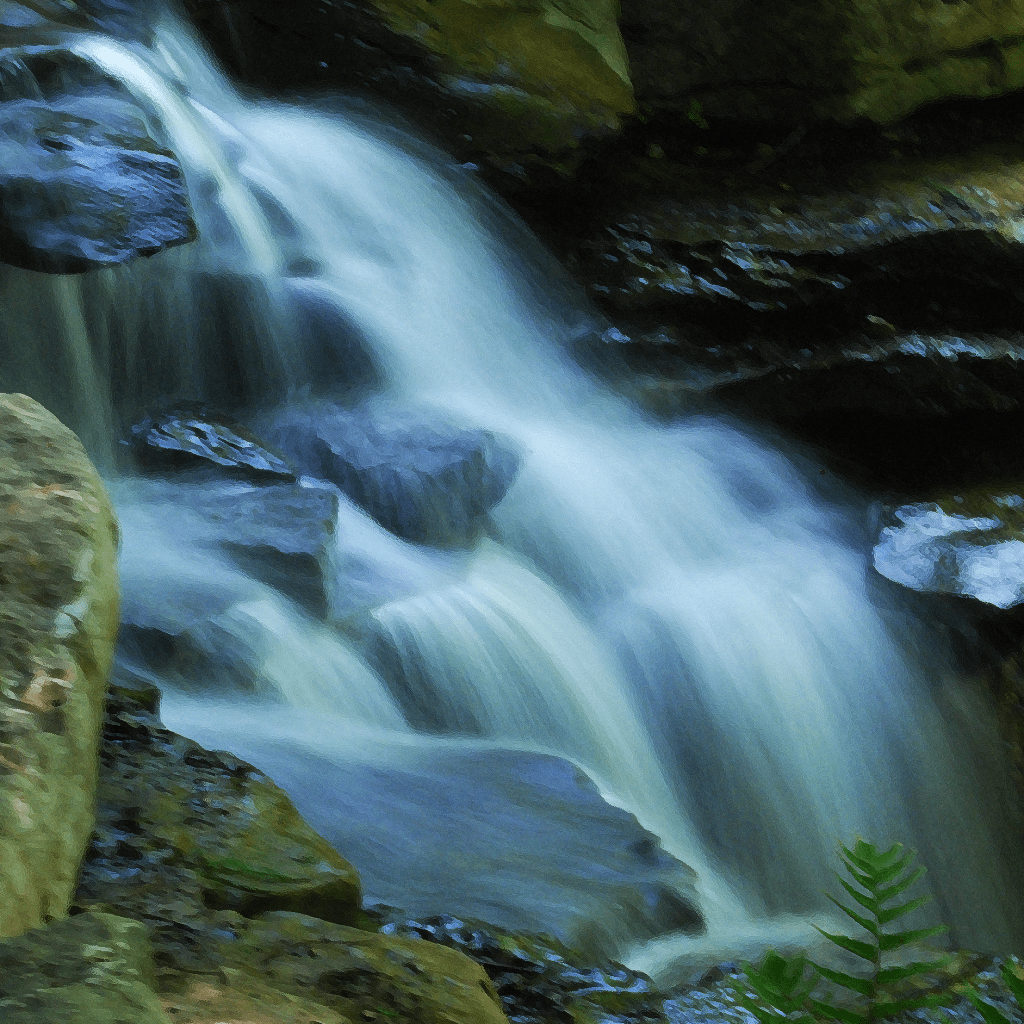
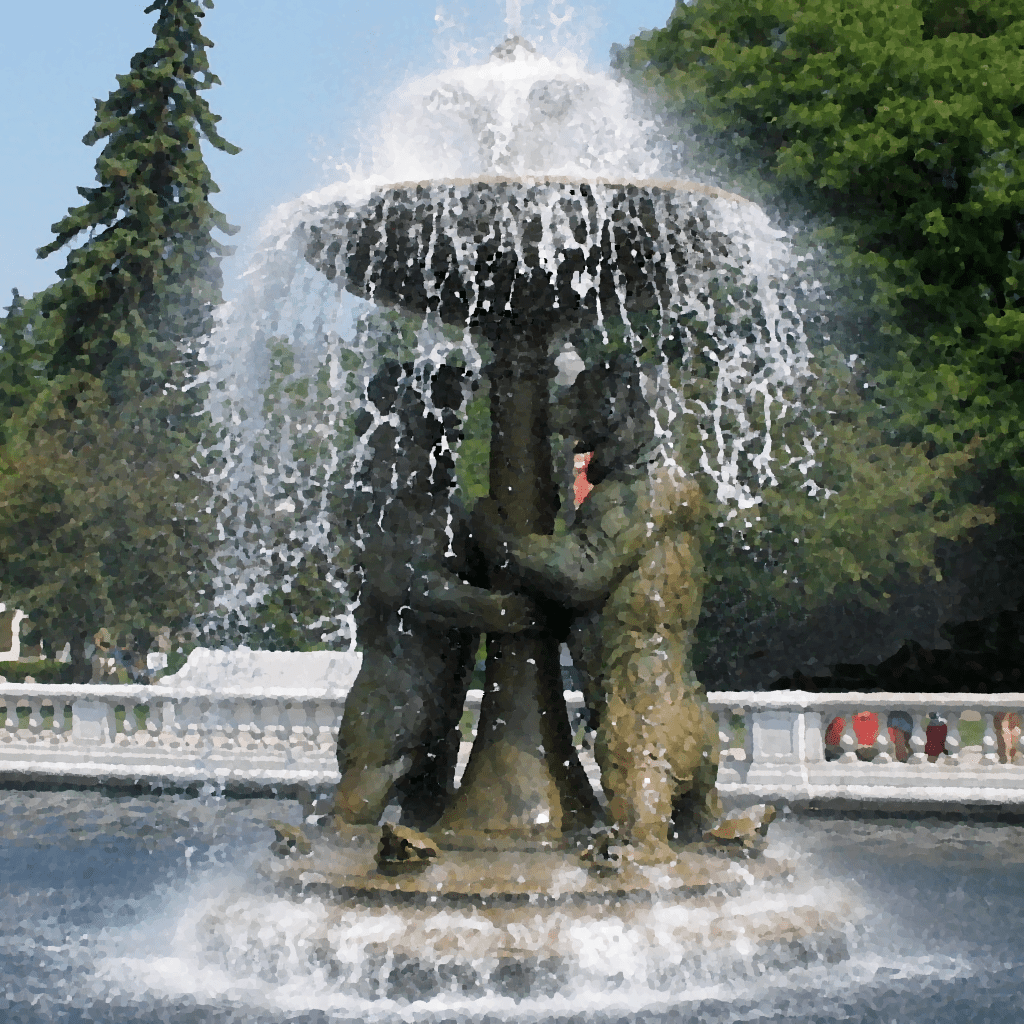
    Horace’s Fountain” (2024) recalls my 1950s childhood joy of watching the geyser of the Horace Rackham Memorial Fountain at the Detroit Zoo cascade over charming sculpted bears.

    Shore Birds” was music originally composed for my 1993 ballet score, PTACI (“Birds”), based on the musical bird call sketches of the Moravian composer Leoš Janáček. Here the music suggests the flight of birds over the sparkling surf of Mustang Island.

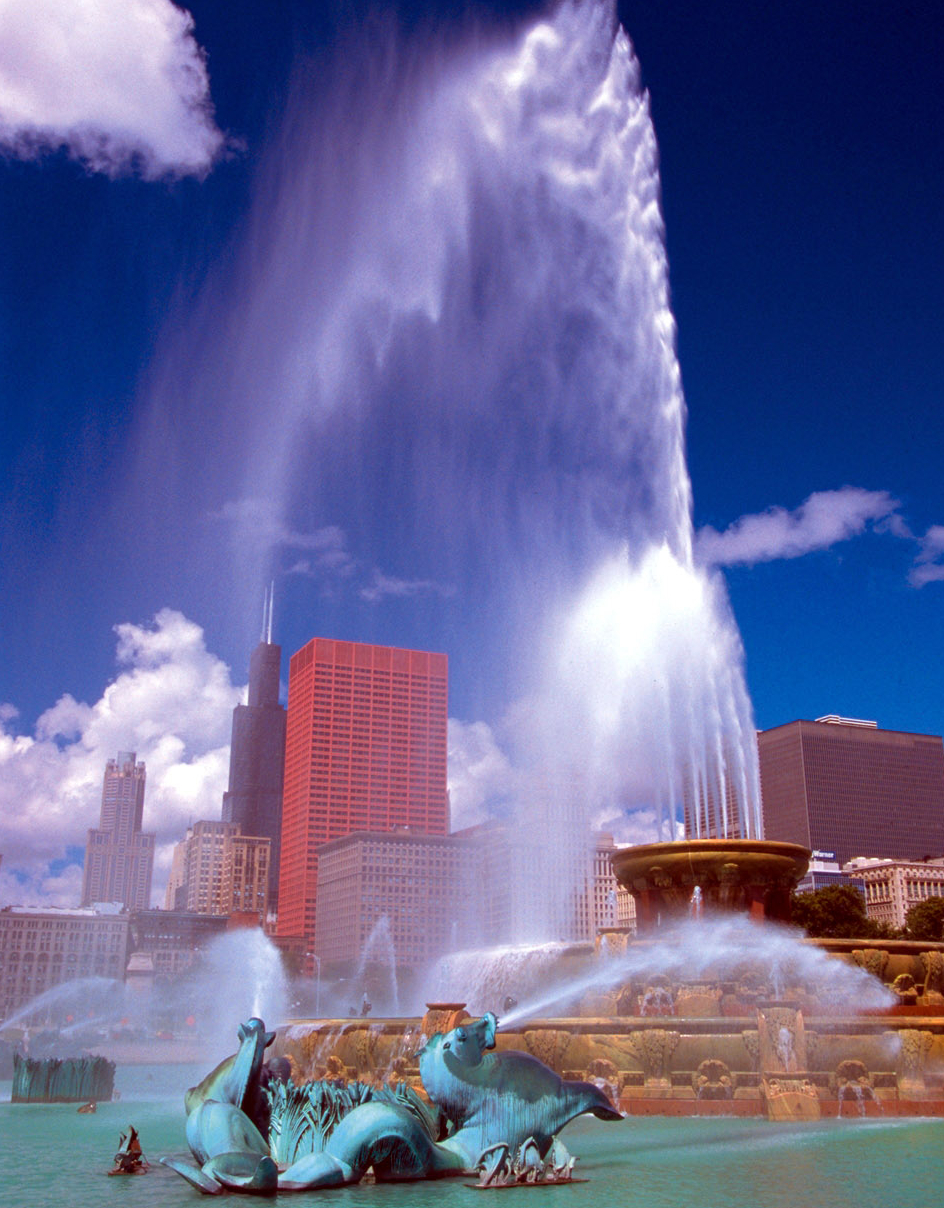
    Buckingham Fountain” is one of my Chicago Sketches (2019) originally scored for flutes, inspired by Reich’s Vermont Counterpoint (1982) commissioned and recorded by flutist Ransom Wilson. The fountain in Grant Park is a magnificent symphony of dancing water.
    Rainbow” portrays the hopeful search for sunlight refracted through water vapor after a storm. Its music is from Looking for the Rainbow (2021), composed during the pandemic as a prequel to Rainbow Rising (2016), an earlier canonic piece for cellos.

    Otter Creek” flows eagerly into Lake Michigan, where its water shines over rippled sand as it spreads out to join the Great Lake’s waves. The music represented WATER, one of Aristotle’s Elements (2022).


    Vltava” the great Czech river flowing through Prague, was celebrated as one tone poem in Smetana’s Ma Vlast. In my string orchestra composition Three States of Water (2021) the music represented water’s LIQUID state, contrasted with the SOLID state of “Ice Dunes”.

    Effulgence” from the 1984 piece that started all this, is a celebration of radiant, resplendent light energetically sparkling on the wind-blown waves of Lake Michigan’s cold blue water.

  • CLARK’S RULES

    These are a distillation of my guiding principles through many years of teaching, serving as an academic leader, and meeting, working with, and understanding many very successful musicians. They don’t really belong on this composer-and-photo-art site. Or do they?

    Clark’s Rules for Musician Success

    Teaching is not so much imparting knowledge as it is facilitating learning. A teacher is an enabling coach on the sideline; all the on-field action is by the student, the learner. From a veteran coach, here is a simple but effective playbook.

    Each rule is a command to action.

    Rule 1: SHOW UP.

    Music is a team sport, and the team depends on you being there every time.

    Rule 2:  PAY ATTENTION.

    Don’t just watch and listen — think about what you see and hear.

    Rule 3:  DO THE WORK.

    Just enough? No, all there is to do.

    Rule 4:  JOIN A TEAM.

    Commit to the team’s success as your own.

    Rule 5:  PLAN AHEAD.

    Essential to accomplishing Rules 1 and 3.

    Rule 6:  BECOME A LEADER.

    It’s a lifelong process of self-development, not a hat you can simply put on.           

    Rule 7:  ENCOURAGE OTHERS.

    Part of Rule 4, this is what it means to be a humane human.

    Feel free to quote and pass them on!

    The original Clark’s Rules for Musician Success above are basic principles to live by, originally posted in my Texas State School of Music Director’s DIARY on January 16, 2017 . They have worn well, largely drawn from my observation of the common traits of great musicians I’ve had the good fortune to meet or work with.

    Clark’s Rules for Good Leadership

    As I headed toward the end of my administrative career, I reflected also on the many wonderful leadership mentors I’ve had the honor to work with, especially Dave Shrader. My reflections, incorporating a few of the first 7 rules, were posted in Director’s DIARY on . We start by repeating Rules 5 through 7:

    Rule 6:    BECOME A LEADER

    Whatever you endeavor to lead, it’s a lifelong process of self-development.           

    Rule 5: PLAN AHEAD

    Fundamentally, that’s the main thing a leader does.

    Rule 7:    ENCOURAGE OTHERS

    Enable their good ideas. Trust their skill and commitment. Seek the best in others.

    Rule 8:    IDENTIFY GOALS

    Embrace a true mission. Let the practical goals flow from the mission.

    Rule 9:    TAKE RISKS       

    Take calculated, reasonable risks worth the payoff. Don’t be afraid of failure. Redefine it as simply not succeeding on the first try.

    Rule 3:    DO THE WORK

    Not everything can or should be delegated. Be well informed. Know how the systems and teams you lead operate.

    Rule 10:  SOLVE PROBLEMS

    Not necessarily quickly. Sometimes with time they solve themselves. Wait while seeking all the information, possibilities you need to consider. For the toughest, brainstorm, think the unthinkable. Engage others in the solution.          

    Rule 11:  ACT ETHICALLY

    Be considerate but honest. Avoid being unnecessarily judgmental. Transcend stereotypes. Don’t assume you know what’s best for others. Choose the greatest benefit for the greatest number of stakeholders, while being fair to all.

    Rule 12:  SHARE CREDIT

    Or just simply give it away. It will come back to you if it’s deserved. Everyone knows anyway, the best accomplishments are team collaborations.

    Since 12 is to me an almost magical number, I think I’ll stop . . . for now.