Tag: Lidice

  • Kladno Sketches

    2019      duration: 10 minutes
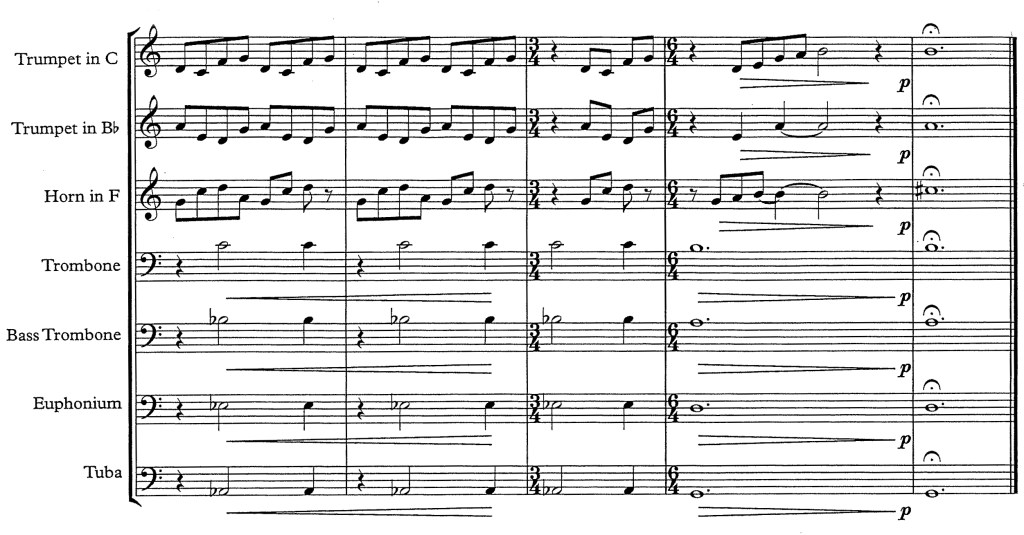
    1. Zámek – peaceful gardens      2. Poldi – ironworks      3. Svobody – Freedom plaza

    Kladno is a Czech city in the Central Bohemian Region 25 kilometers northwest of Prague. In the middle of the 19th century, the discovery of coal there led to the establishment of one of the great ironworks and then steel mills in all of Europe.

    Kladno is near Lidice, the village destroyed by the Gestapo in 1942. Of the Lidice men who were all shot in the atrocity, many had walked to Kladno each day to work in the coal mine or the Poldi steel works.

    Poldi has thrived and survived for more than 100 years, through two world wars and occupations of the country, but the factory finally closed and most of the buildings are now abandoned.

    The city remains a thriving place with a population of 70,000, a large church, municipal building, state library and archives, monuments, theaters, museums, and beautiful parks. The Czech people have always been hard working, they love gardens, especially roses, and they love beer in the fine pilsner style they created.

    Suffering under so much occupation and oppression throughout their history in the center of Europe, Czechs especially value “svobody” – freedom.

    To request performance materials and permission, email the composer, tc24@txstate.edu.
  • A Peaceful Place

    Digital sound sculpture      2019       duration: 5:16

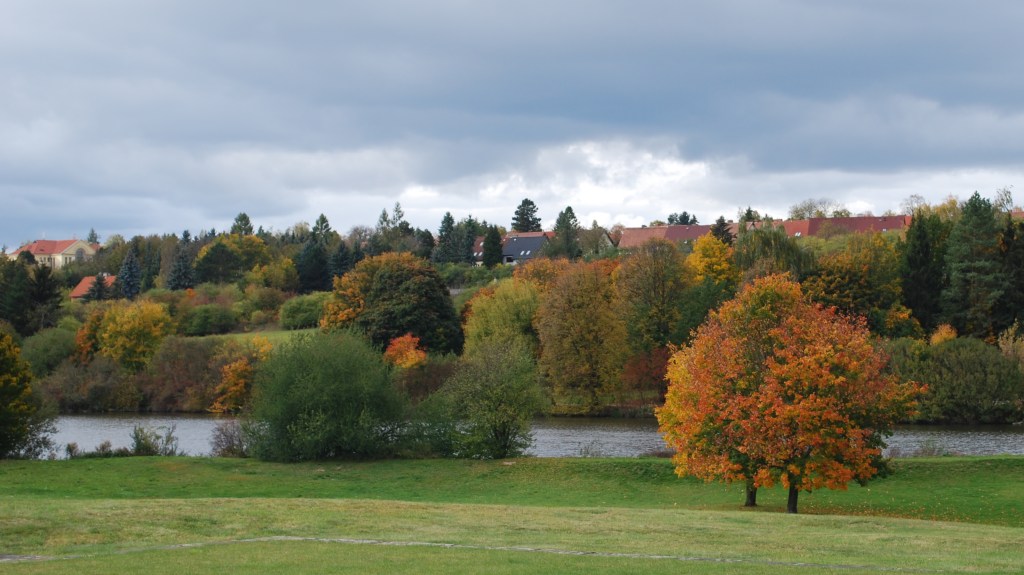
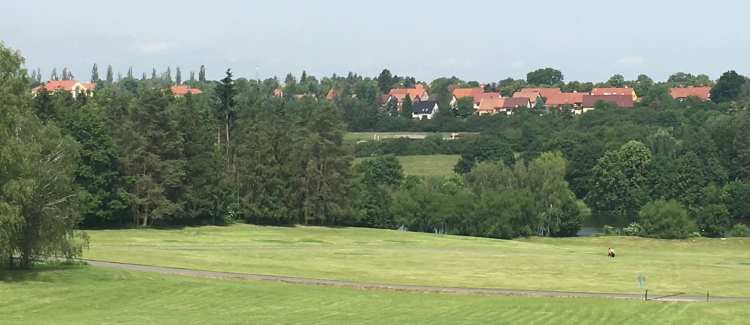
    The title, from the poem “The Murder of Lidice” by Edna St. Vincent Millay, is an expression of the feeling evoked by the verdant valley below the Lidice Memorial. Though horrible tragedy struck this place on 10 June 1942, now the sloping lawn and babbling creek are a safe haven to peaceful spirits.

  • A New Lidice

    2019      SSAA choir, string trio       duration: 7 minutes

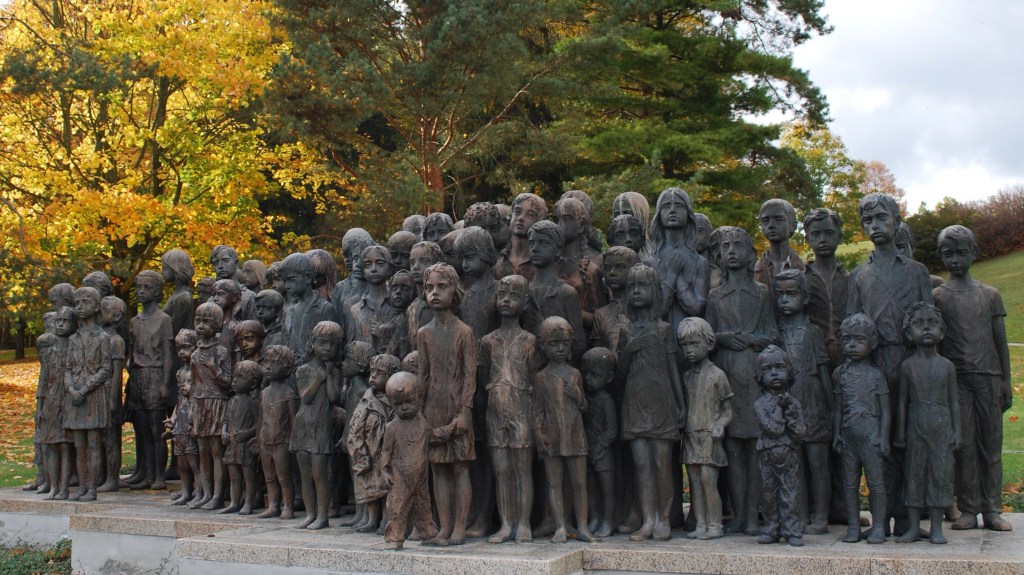
    A New Lidice is the third piece composed commemorating the story of Lidice near Prague, a charming Czech village that was brutally destroyed by the Gestapo in 1942. LIDICE REMEMBERED expressed the dark brutality of the atrocity, while RAINBOW RISING celebrated the power of hope symbolized by the beautiful memorial rose garden there.

    On June 10, 1942, all the village men were shot, the children taken away to orphanages or gas chambers, the women sent to concentration camps, and the entire village was razed. After the war, concerned British citizens led by Sir Barnett Stross convinced the world that the village should be rebuilt. The women of Lidice were able to return and were given beautiful new Czech-style homes in a planned village next to the Memorial Gardens.

    Lyrics are taken in part from a stirring Stross speech, but the voices are those of the women who bravely rebuilt their community:

    “We build a new village, while a just world watches.
    Stavíme novou vesnici. Spravedlivý svêt bude sledovat.
    Lidice belongs to the world of all who suffered.
    Mankind has one common enemy – War.
    Only a realization of our common humanity can save mankind.
    The just world will watch.”

    Premiere performance:

    April 23, 2022, Texas State University Performing Arts Center
    Student ensemble Aurora Voce conducted by Lynn Brinckmeyer
    with string students Kailey Johnson, Kelsey Sexton, Tina Moritz
  • Autumn Rain

    Autumn Rain

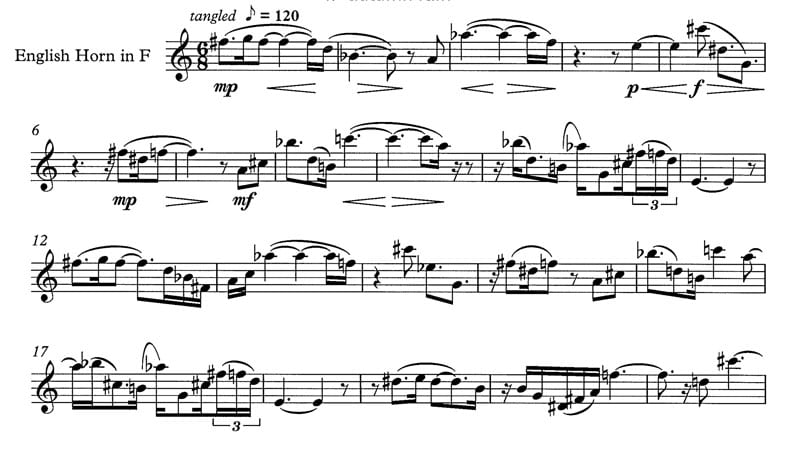
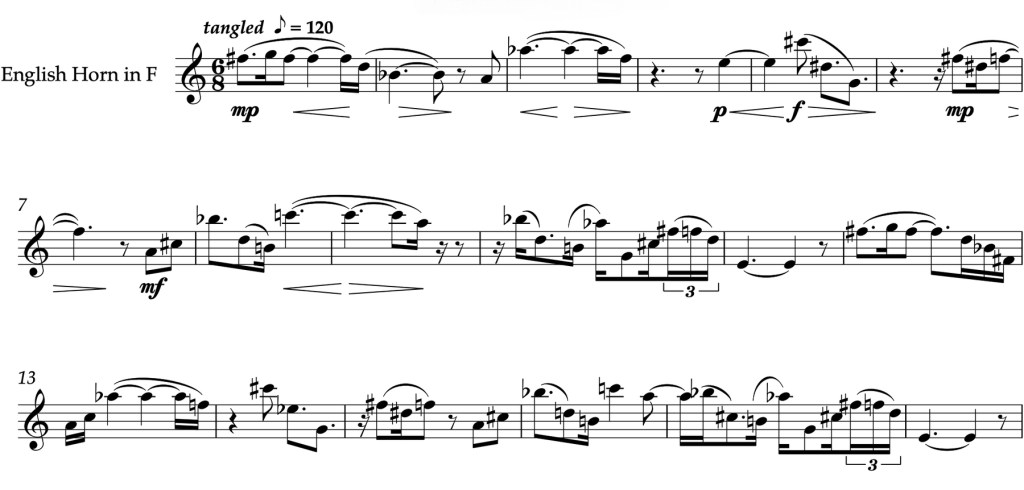
    2017.    English horn.      Duration: 6:40.   

    Written for my colleague Ian Davidson of the Texas State music faculty and Pleasant Street Players. Autumn Rain is inspired by Robert Frost’s poem “My November Guest,” an exquisite expression of loss and sadness.

    In four movements:

    I. “these dark days of autumn rain”

    II. “my sorrow” (remembering Lidice)

    III. “the bare, the withered tree”

    IV. “the sodden pasture lane”

    The second movement’s memorial to the atrocity of Lidice quotes the Czech national anthem Kde domov můj (“Where My Home Is”).

    To request performance materials and permission, email BMI-affiliated composer Thomas Clark, tc24@txstate.edu