Tag: Mapping music

  • Aristotle’s Elements

    2022 . . . four sound sculptures for orchestra (15:30)

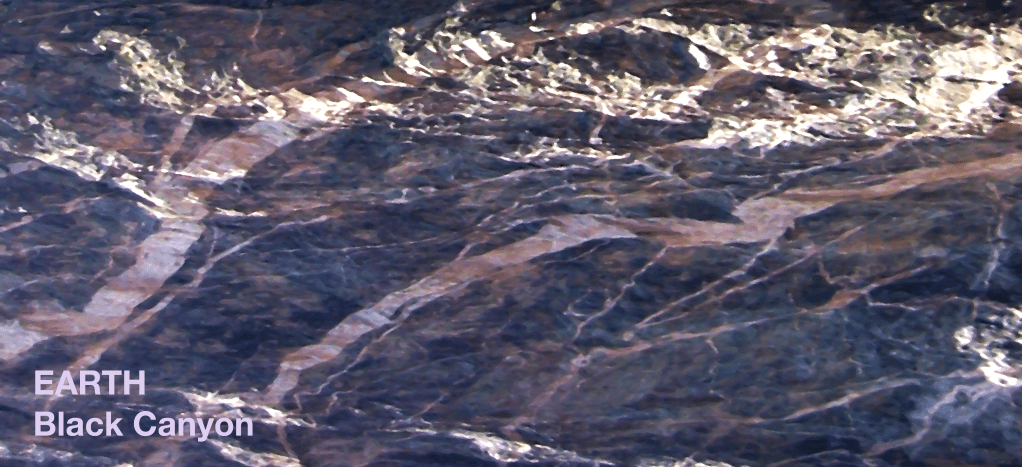
    One feature of my modern-music and composition e-book Mapping the Music Universe is a set of composing experiments called MapLabs. Each provides lab instructions to gather material and make compositional choices, and each provides an example piece built step by step along the path of the lab instructions. The sample pieces for the first four MapLabs fit together here as the metaphorical elements, fire, air, water, and earth, of Aristotle’s concept of the world’s physical matter. My mostly abstract photo images provide a visual background for listening.

    Where the amber atoms in the fire gleaming
    Mingled their sarabande with the gymnopaedia.
    (Latour)
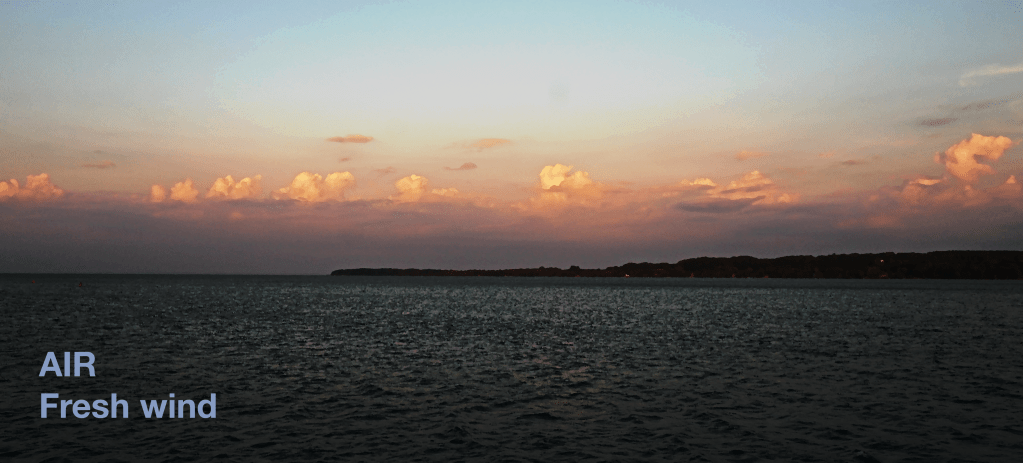
    Fresh wind weds the land and water,
    Sun warms bright sails and sailor.
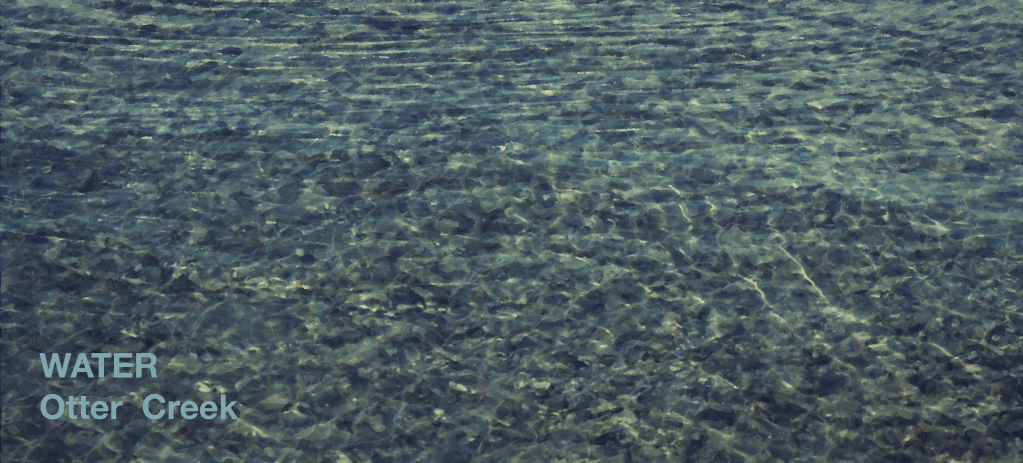
    Where tiny Otter Creek trickled out onto a more secluded sandy beach
    Offering northward a spectacular view of Empire Bluff
    .

    The Black Canyon of the Gunnison, named for the ever-present shadows
    The narrow canyon’s steep, sheer, tall rock walls cast on the river flowing far below.

    Aristotle’s Elements

    These images are set in motion by the magic of various Ken Burns effects for a video version on the TClark Art Music YouTube channel.

    In another arrangement transcribed for wind ensemble in 2023, the order is changed:

    I. Amber Atoms (FIRE) 4:46
    II. Fresh Wind (AIR) 3:40
    III. Black Canyon (EARTH) 3:12
    IV. Otter Creek (WATER) 3:04
  • Mapping the Cosmos

    2021 . . . Etudes for Piano . . . Total duration: 10 minutes . . . COMPLETE SCORE

    Mapping the Music Universe produced several small etudes to illustrate the compositional potential of musical patterns explained in the ebook. The inspiration to collect them into a series came from many years of fascination with Bartók’s wonderful Mikrokosmos series of 153 piano pieces in modern styles. Some of the Mapping etudes were originally sketched for piano, others adapted from more complex textures. They range in difficulty for the pianist from the simpler 1. Pisces to the more challenging 6. Scorpius.

    The first seven are simpler, with each etude titled with an astronomical entity named for a mythological character.

    Though the whole set is 10 minutes in length, the pianist wishing to perform some of them is welcome to select a suite of three or four. Each etude is titled with an astronical entity named for a mythological character:

    1. Pisces – The Fish; 12th constellation of the Zodiac

    2. Cygnus – The Swan; a northern constellation

    3. Milky Way – Way of the White Cow in Irish myth; the galaxy containing our Solar System

    4. Pleiades – Seven Daughters of sea-nymph Pleione; an open star cluster

    5. Laniakea – Immense Heaven in Hawaiian; supercluster of galaxies that includes the Milky Way

    6. Scorpius – The Scorpion; 8th constellation of the Zodiac

    7. Andromeda – Cassiopeia’s daughter, saved from the sea monster Cetus by Perseus; a spiral nebula and nearest large galaxy to the Milky Way

    Experience all seven in synthesized-sound color video on YouTube or audio only:

    BOOK II

    The last five Mapping the Cosmos etudes are each suitable as short stand-alone recital pieces or as a set. Beyond Mikrokosmos, they pay homage to Debussy’s revered books of Preludes. These pieces embrace the Impressionist approach to texture and form, while evolving beyond Debussy’s tonal language. Stonehenge and Lunar Litany both draw material from the 1975 four-movement piano work Geography of the Chronosphere.

    8. Moonlight – an arpeggio homage to Beethoven’s famous Sonata

    9. Deep Sky – profound mysteries glimpsed by telescopes

    10. Stonehenge – ancient site of human worship in the cosmos

    11. Lunar Litany – moon cycles governing human activity

    12. Star Map – celebrating early star catalog project Carte du Ciel