My first of five visits to the ancient Moravian city of Brno was in 1991, shortly after the Velvet Revolution liberated Czechoslovakia and shortly before it became the Czech Republic. The old (“staré”) center of the city is a cobble-stoned plaza with tram tracks running across, surrounded by Austrian-era buildings. There you could often find a Moravian folk music group performing, fall kiosk vendors serving fermented cider, or a holiday bazaar in the snow. Local lore says the plaza and nearby green market are the center of Brno, the central city of old Czechoslovakia, itself in the center of the European continent. With a medieval castle and twin-spire cathedral, Brno was also the beloved home of Leoš Janáček, the great early modern Moravian composer, whose music provided the themes for the ostinato variation textures of this new soundscape.
Five sound sketches on the historical paintings of Alfons Mucha (1996/2005)
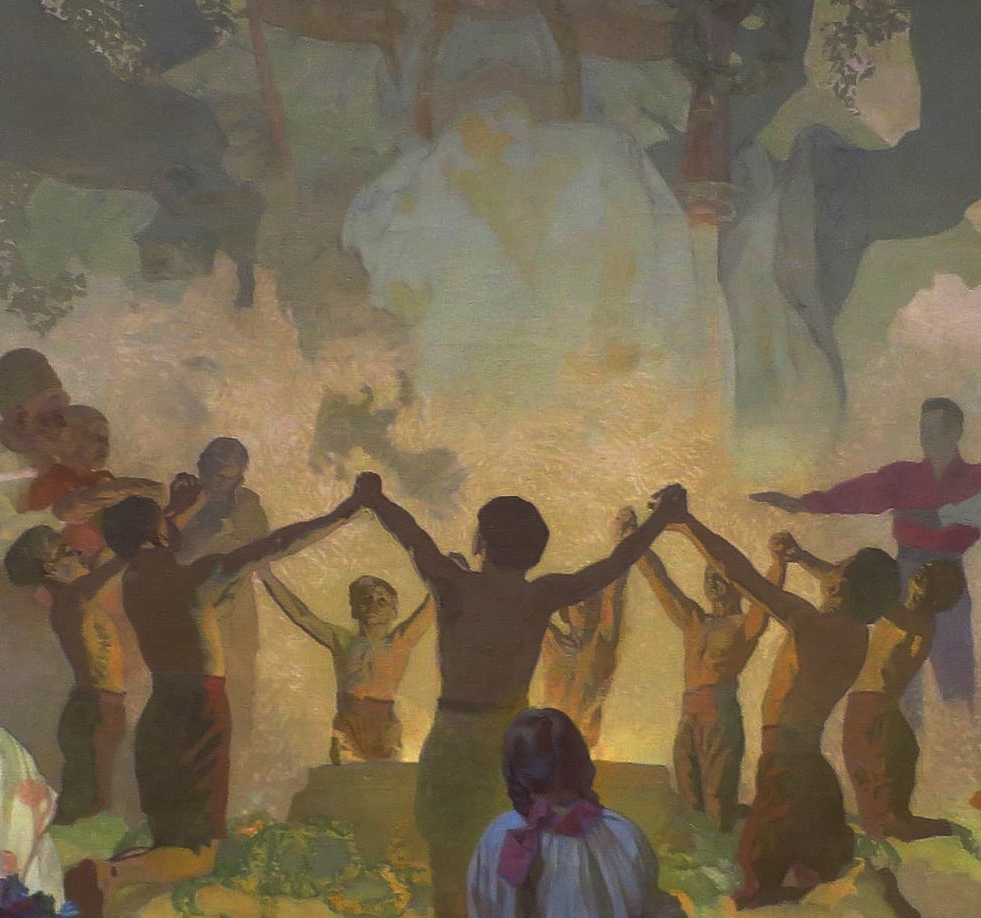
I first traveled to the Moravian region of Czechoslovakia in 1991 to conduct my own music at the 26th International Music Festival in Brno. While there, I visited the South Moravian town of Moravský Krumlov. Its castle served as a museum gallery for the epic paintings, Slovanská Epopej, of Alfons Mucha. Better known as the father of art nouveau through his many famous Paris posters, Mucha was deeply interested in Slavic culture and history. The 20 paintings, each a monumental canvas hung as a tapestry, vividly depict both historical and mythical scenes.
Mucha’s Light: Ancient Images is dedicated to Miroslav Marada, the Moravian gentleman who first showed the paintings to the composer in 1991. A teacher, history buff, and lover of the local wines of south Moravia, Marada fascinated me with elaborate tales, explaining the symbolism of each painting. The five works I selected to sketch musically have a common element, masterfully painted images of exotic light. Composing musical analogs for these ancient images, I incorporated medieval music from the Bohemian/Moravian region of central Europe. The music weaves authentic medieval chant tunes into an intensely contrapuntal fabric, interspersed with modern sparks, streaks, and splashes of sound color. Originally composed for brass quintet, the musical images called for a richer, more varied sound-color palette:
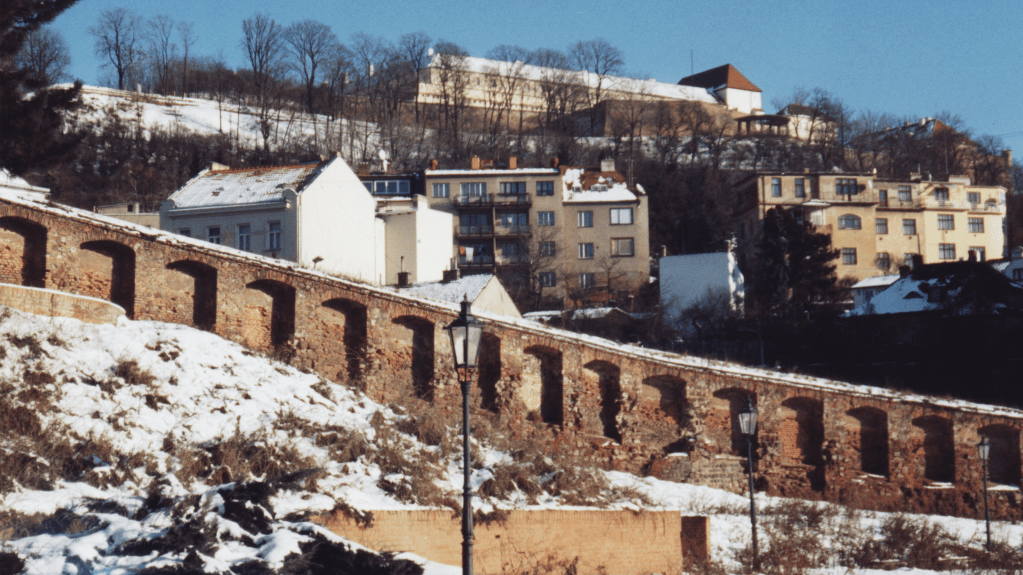
Dating back to the 13th century, Špilberk Castle has a dark history. Standing on a hilltop in the Moravian city of Brno, surrounded by chestnut trees in a beautiful park, its dungeons served for six centuries as a prison, holding war prisoners, Polish political prisoners, persecuted religious groups, and Czech patriots resisting the Nazis. Eventually it was a military barracks, and finally in 1959 became a municipal building and park and home to the Brno City Museum.
During several visits to Brno in the 1990s, Clark spent much time walking in the surrounding park, as well as participating in rehearsals inside the castle with the municipal dance company for which he composed his ballet, PTACI. Two memories remain vivid:
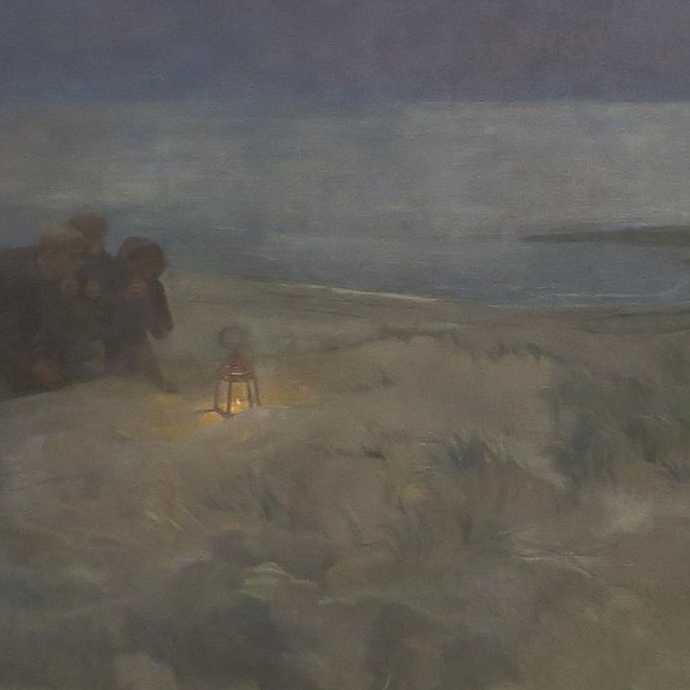
“Dark Rain” – leaving the castle on a pitch-black night in a cold, late-October rain.
“Moravian Autumn” – one of many sunny autumn afternoons walking through golden chestnut leaves in a timeless euphoria.
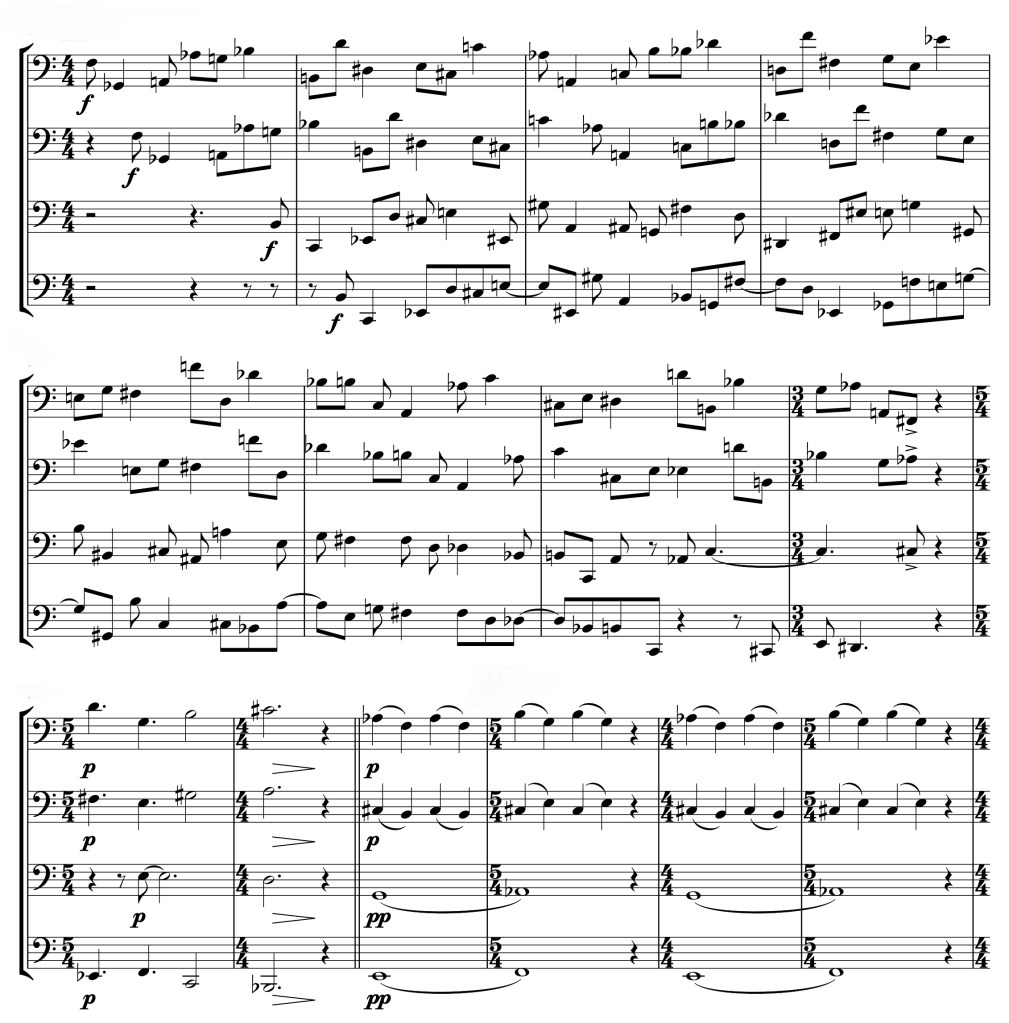
MIDI synthesis rendering:
To request performance materials and permission, email the composer, tc24@txstate.edu.


 Thomas Clark - composer / digital artist