Video art, quilting together geometric slices of colorful abstract images, kaleidoscopically morphing them into each other over a continuously evolving soundscape adapted and synthesized from the composition, RAINBOW RISING.
Electronic sounds from previous ANGELS pieces (The Fourth Angel, Angels of Bright Splendor) make layered counterpoint for a dark, unearthly montage. Music from another piece, String Theory, originally imagining spinning subatomic energy, provides an ironically human voice, both frantic, engulfed in the threatening sound environment, and soaring hopefully above it.
Global warming is already devastating the earth and all life on it. The Bible’s Revelation 16 tells of seven frightening angels:
“The fourth angel poured his bowl on the sun, and it was allowed to scorch people with fire; they were scorched by the fierce heat.”
The other six angels and their bowls wrought plagues of painful sores, bloody seas, bloody rivers, darkness.
“Finally, the seventh angel poured out his bowl into the air, and a loud voice of doom came out of heaven, saying, ‘IT IS DONE!’ There were noises and thunderings and lightnings; a great earthquake. Every island fled away, and the mountains were not found.”
A collection of eight new scores for chamber orchestra with the same orchestration (4 winds, 3 brass, timpani, percussion, and strings), the musical sketches are Impressionistic soundscapes rather than symphonic narratives in form. The Sketchbook also includes extensive performance, analytic and program notes.
Each sketch paints vivid harmonic and instrumental colors in simple to complex textures of dynamically evolving tempo and pace. Titles are evocative but not determinant for the development of the musical ideas. My original 1971 orchestral composition titled ANIMATED LANDSCAPES first explored this musical approach in what was then the prevailing Midwestern composers’ large-ensemble moving-sound-mass style of the 1960s and ’70s. My harmonic and contrapuntal craft has matured enormously since then!
Appearing first in this 50-years-later Animated Landscapes Sketchbook for small orchestra, Appalachian Autumn pays homage to Copland’s 1944 masterpiece, Appalachian Spring. In my composition studies in the 1970s, I was fascinated by Appalachian Spring the ballet as originally scored for only 12 orchestral instruments. This original scoring was a masterpiece of orchestral painting blended with the clear contrapuntal lines of chamber music, highlighting each instrument’s colorful voice. My now developed harmonic sensibilities also resemble Copland’s open, bold sonorities.
Appalachian Autumn
Amber Atoms in the Fire Gleaming; Yin Yang (Air); Otter Creek (Water)
Black Canyon (Earth); Glacier Gorge; Palo Duro (sunset)[Canyon Sketches]
Looking for the Rainbow
Massif; Storm; Highland dusk [Highland Sketches]
Viennese Sketches
Blue Ridge; Jupiter Rising [Sinfonia]
Hrad(morning climb to the castle ruins); Ptáci (watching Leoš’s birds); Vody (forest streams and shadows); Bystroušky (mouflons and other mountain wildlife); Podzim (autumn sunset) [Hukvaldy Sketches]
Three sound sketches explore the timeless qualities of three magnificent canyons: Black Canyon of the Gunnison (Colorado); Glacier Gorge in Rocky Mountain National Park; and Palo Duro Canyon (Texas). Actually, each sketch began fundamentally based not so much on the canyons as on musical techniques.
2024 . . . chamber orchestra version (12 minutes)
A complex three-part canon of meandering 12-tone lines musically sketches the colorful streaks of pegmatite dikes in the Black Canyon’s cliff walls of Precambrian gneiss.
1. Black Canyon
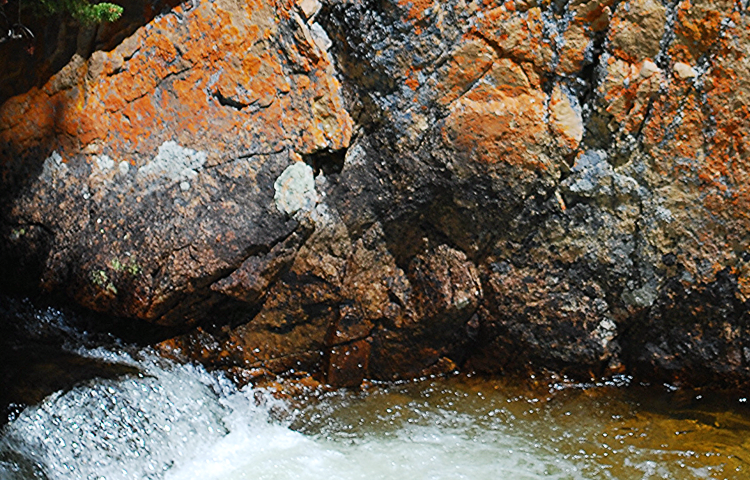
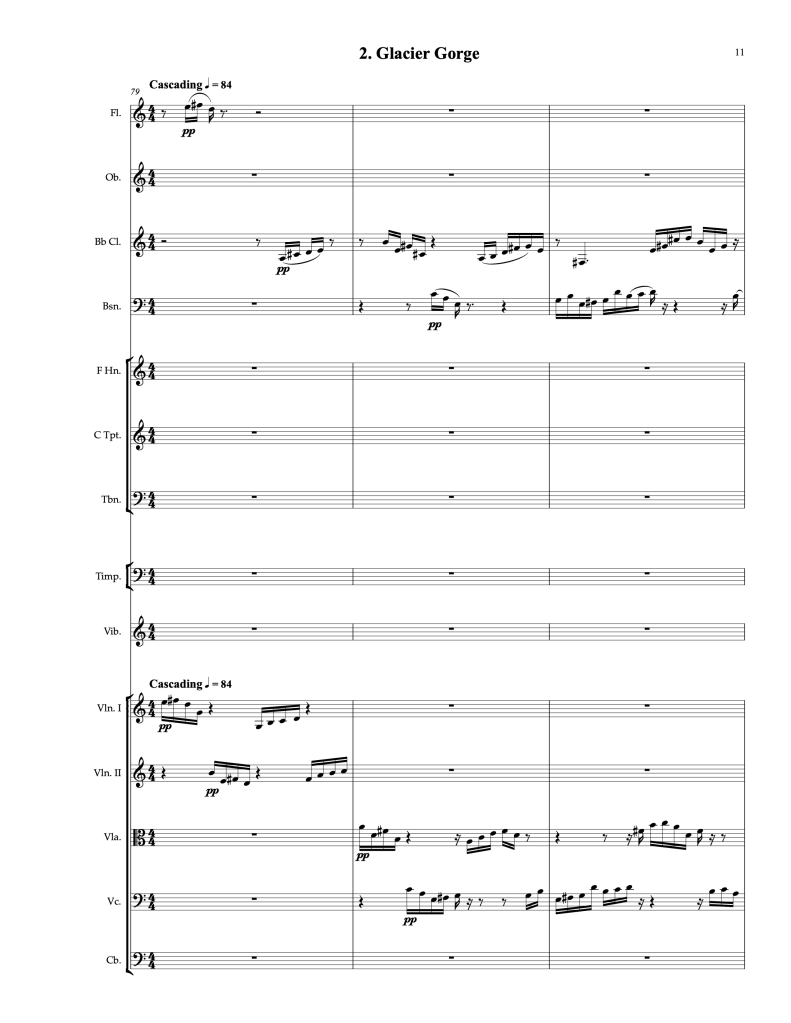
Downward plunging arpeggios experience relentless musical gravity, sounding out the energetic fall of whitewater over boulders.
2. Glacier Gorge
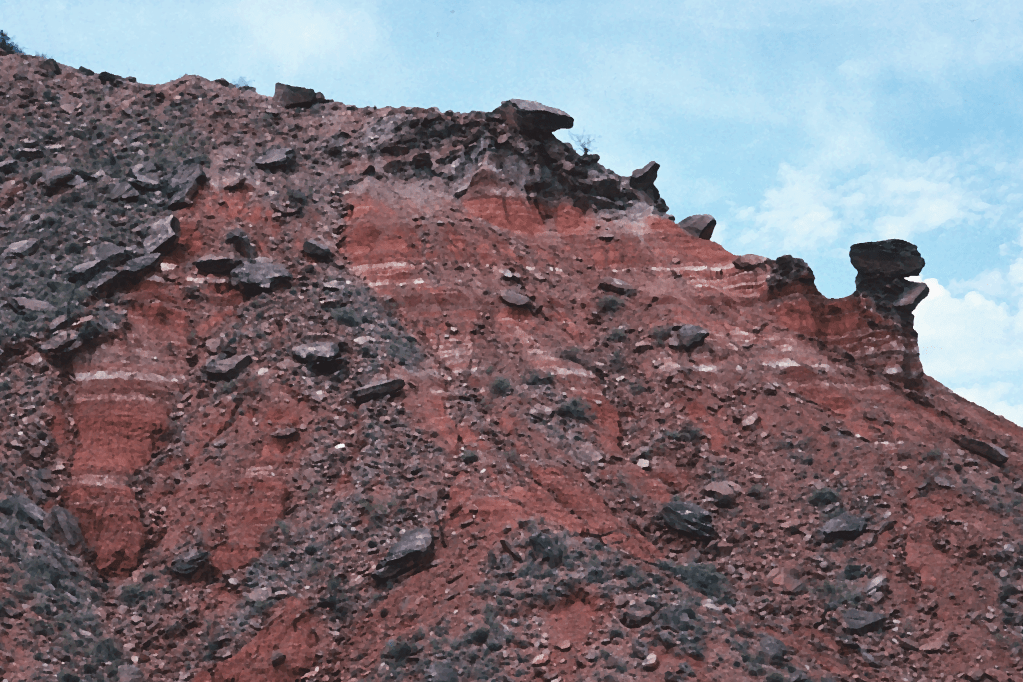
Gently changing kaleidoscopic sonorities and a slow descending progression of pitch constellations to stillness express the timeless quiet of Palo Duro Canyon.
3. Palo Duro dusk
Score excerpts:
Email the composer to request a PDF of the complete 47-page full score and 14 parts.
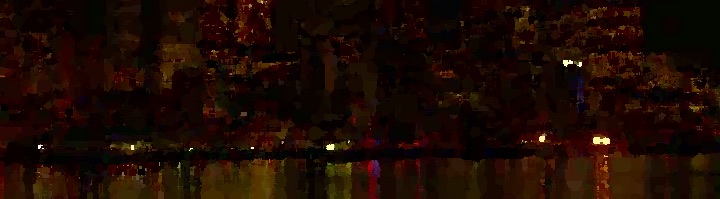
Back in the 1970s and ’80s, I explored images suggested by nocturnal titles (Night Songs, Dark Haven, Somniloquy) and landscape titles (Animated Landscape, Dreamscape, Icescape). Rather than depicting events in narrative form, Nightscape builds a quiet nocturnal soundscape of gentle shadows, silhouettes, and points of light, inviting simple observational or meditative listening.
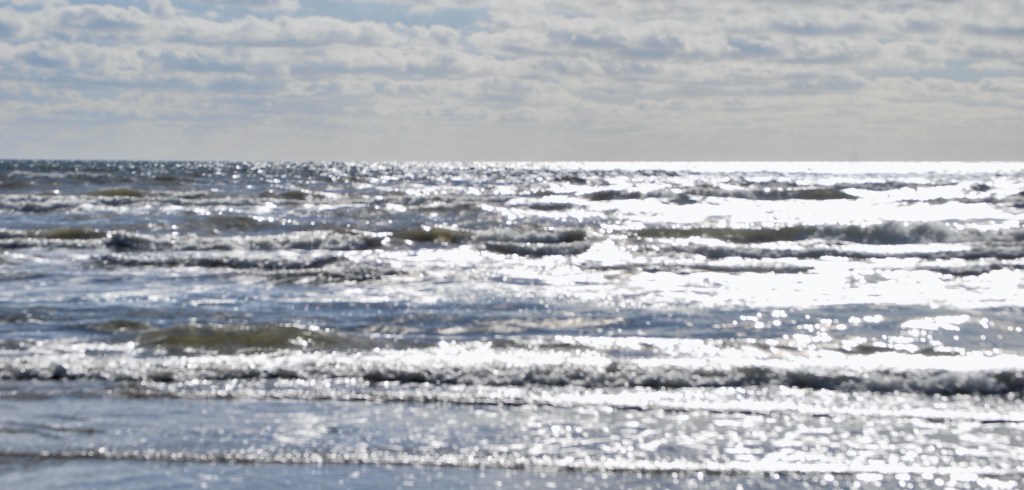
I have often gazed at beautiful bodies of water, especially Lake Michigan and, more recently, the river Vltava in Prague. This sonic sketch combines musical metaphors for several features common to these majestic waters: waves and currents; sun sparkling on the surface; deep hues of the colder water below; twinkling stars above.
Longfellow’s famous poem, The Song of Hiawatha, though it is about Lake Superior, in the first two stanzas vividly verbalizes some of these images:
“By the shining Big-Sea-Water”
“Bright above him shone the heavens, Level spread the lake before him”





 Thomas Clark - composer / digital artist