Tag: Vltava

  • By the Shining Water

    2021 . . . . sound sculpture . . . . duration: 7:30

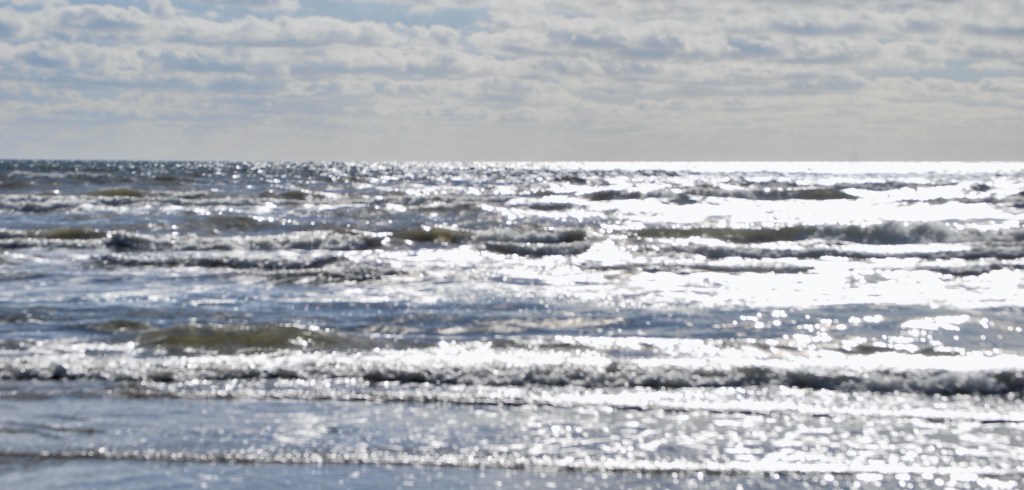
    I have often gazed at beautiful bodies of water, especially Lake Michigan and, more recently, the river Vltava in Prague. This sonic sketch combines musical metaphors for several features common to these majestic waters: waves and currents; sun sparkling on the surface; deep hues of the colder water below; twinkling stars above.

    Longfellow’s famous poem, The Song of Hiawatha, though it is about Lake Superior, in the first two stanzas vividly verbalizes some of these images:

    “By the shining Big-Sea-Water”

    “Bright above him shone the heavens, Level spread the lake before him”

    “Sparkling, flashing in the sunshine”

    “Motionless beneath the water.”

  • Three States of Water

    2021       string orchestra         duration: 22 minutes

    Inspired by the great serenades for strings of Dvořák and Tchaikovsky, this suite explores musical metaphors for the physics of H2O in interesting atmospheric and geographic settings.

    I. Cold front (VAPOR becomes SOLID): In low clouds on mountain tops, water vapor can become super-cooled and become freezing fog, filling the air with small ice crystals and freezing to surfaces, similar to very light snow. In the western United States, the common name for freezing fog is “pogonip.”

    II. Ice Dunes (SOLID): In the Leelanau Peninsula of Michigan, the Lake Michigan surf sometimes whips up and freezes in mid-air, forming weird ice caverns and ice dunes.

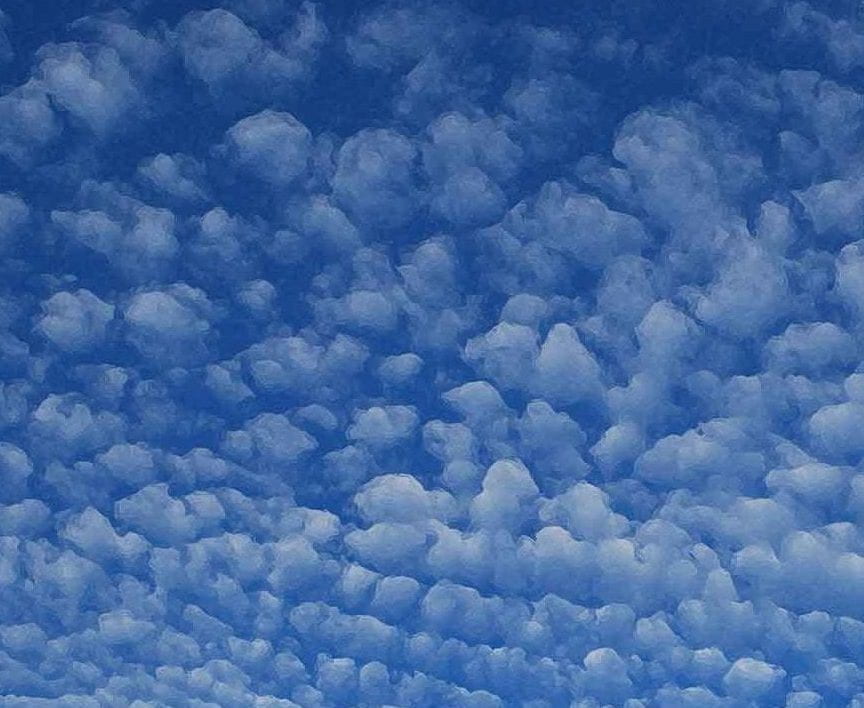
    III. Nuages (VAPOR), French for clouds, is one of Debussy’s three beautiful Nocturnes for orchestra, quoted here as a theme for variations. Water vapor is technically invisible. The clouds we see are actually masses of minute liquid droplets and frozen crystals. Thus this movement embodies all three states of water.

    IV. Vltava (LIQUID): The great river Vltava flows majestically through Prague. Smetana’s depiction of it in his monumental Ma Vlast is usually translated as The Moldau.

    To request performance materials and permission, email the composer, tc24@txstate.edu.